Reducing greenhouse gas emissions
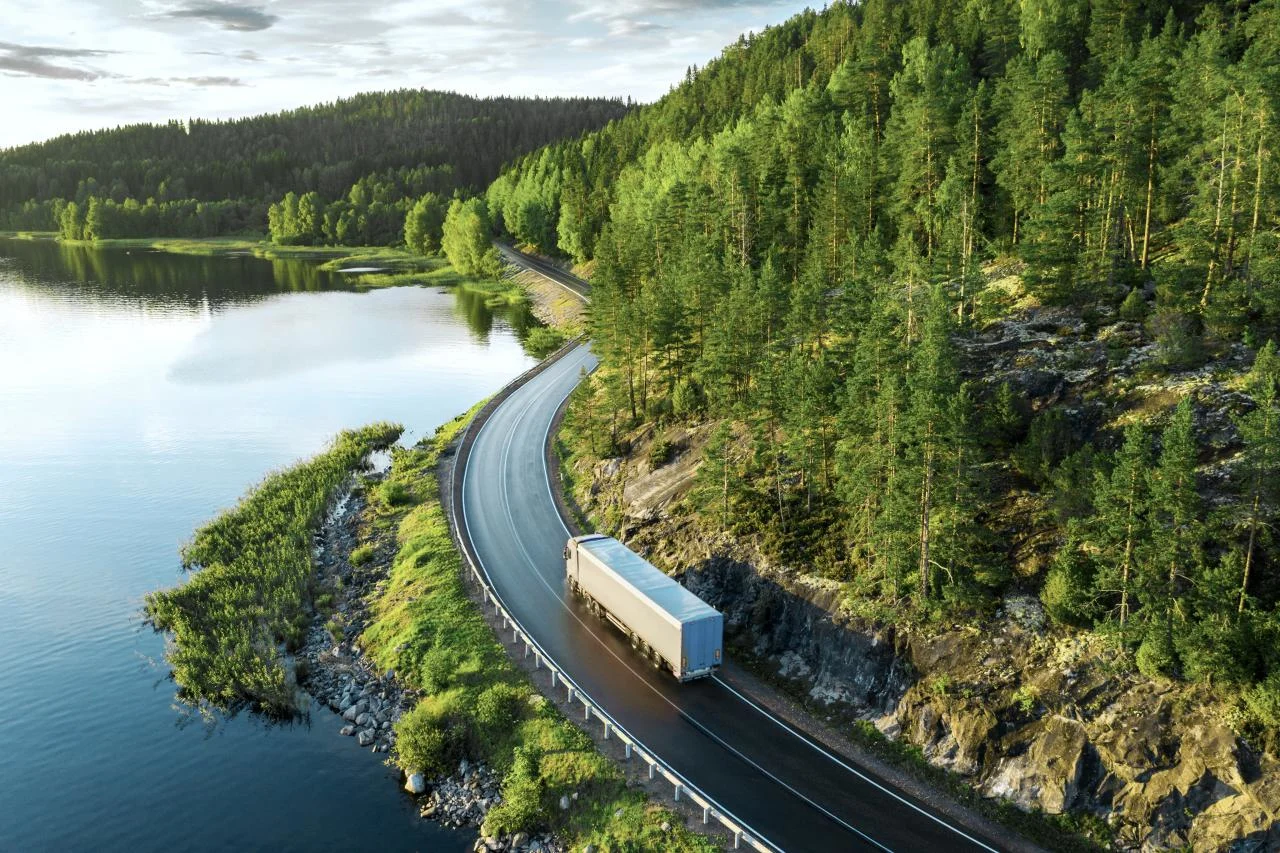
Our renewable and circular solutions help our customers reduce their carbon footprint.
We enable our customers to reduce their greenhouse gas (GHG) emissions by offering renewable and circular products to replace fossil products. Our target is to help our customers reduce their GHG emissions by at least 20 million tons of CO2e annually by 2030.
Our strategic investments into increasing renewables production capacity are a key driver to increasing our carbon handprint.
At the same time, we need to reduce our own carbon footprint. We are committed to reducing the GHG emissions from our operations (scope 1 and scope 2). We are also committed to reducing the use-phase GHG emission intensity of sold products and work with our suppliers and partners to reduce the indirect GHG emissions from our entire value chain (scope 3).
Handprint:
Helping our customers reduce their GHG emissions with our renewable and circular solutions by at least 20 MtCO2e annually by 2030.
Footprint:
Reduce GHG emissions in our own operations (scope 1 and scope 2) by 80% by 2040 compared to 2019 levels. Interim targets: 24% by 2030 and 50% by 2035.
Reduce the use-phase GHG emission intensity of sold products by 50% by 2040 compared to 2020 levels (scope 3).
Neste’s continues its efforts towards mitigating climate change, and recognizes several critical success enablers, such as supporting policy and regulatory framework with mandates and incentives, economic and market demand growth enabling significant and long-term sustainability investments, and sustained R&D&I, jointly with all stakeholders.
We also continuously identify, analyze, and measure the financial implications including material risks and opportunities of climate change for our business. Our approach to identifying climate-related risks and opportunities is guided and informed by the Task Force on Climate-related Financial Disclosures (TCFD) framework.
Scopes 1, 2 & 3
The GHG Protocol provides a framework for greenhouse gas accounting and reporting, within which emissions are categorised into three scopes covering different emission sources and categories across an organisation’s own operations and value chain.
Scope 1: Direct emissions (e.g. from production)
Scope 2: Indirect emissions from purchased energy
Scope 3: Other indirect emissions from value chain
Use-phase GHG emission intensity
The most relevant scope 3 emission category for Neste is the use-phase emissions of the products produced and sold by Neste. Use-phase emission intensity of sold products (gCO2e/MJ) is an indicator of the GHG emissions from the use of Neste’s products divided by the total amount of energy sold. These are the GHG emissions generated when the products that we sell are used – for fuels, this means combustion. Reducing the use phase emission intensity of sold products indicates how companies in this sector are transforming their product portfolio to have a larger share of renewable and circular products.
*) Use-phase GHG emission intensity is calculated by dividing the emissions from the use of products sold by Neste (part of scope 3) with the total amount of sold energy (gCO2e/MJ).
Share this